
Encouraging ethical, excellent, and engaging work.
Founded by psychologists William Damon, Howard Gardner, and the late Mihaly Csikszentmihalyi in 1996, The Good Project has two decades of experience carrying out qualitative research and developing practical materials with an emphasis on topics including the meaning of good work, effective collaboration, digital citizenship, and civic participation.
Presently, through research-based concepts, frameworks, and resources, The Good Project strives to equip individuals to reflect upon the ethical dilemmas that arise in everyday life by providing them with the tools to make thoughtful decisions.
We are a research initiative of Project Zero at the Harvard Graduate School of Education.
What does it mean to do good work when the consequences may directly affect another person's health, safety, dignity, or life? When we spoke with healthcare students and employers as part of our Good Work Value Alignment Study, participants universally valued expertise: healthcare professionals need deep knowledge and technical competence.
If there is any field where we might expect technical expertise to dominate conversations about career readiness, information technology would seem to be it. Coding languages, technical knowledge, systems, software, and networks all matter. And yet, when we spoke with IT students and employers as part of our Good Work Value Alignment Study, both groups repeatedly returned to the same point: technical knowledge isn't enough.
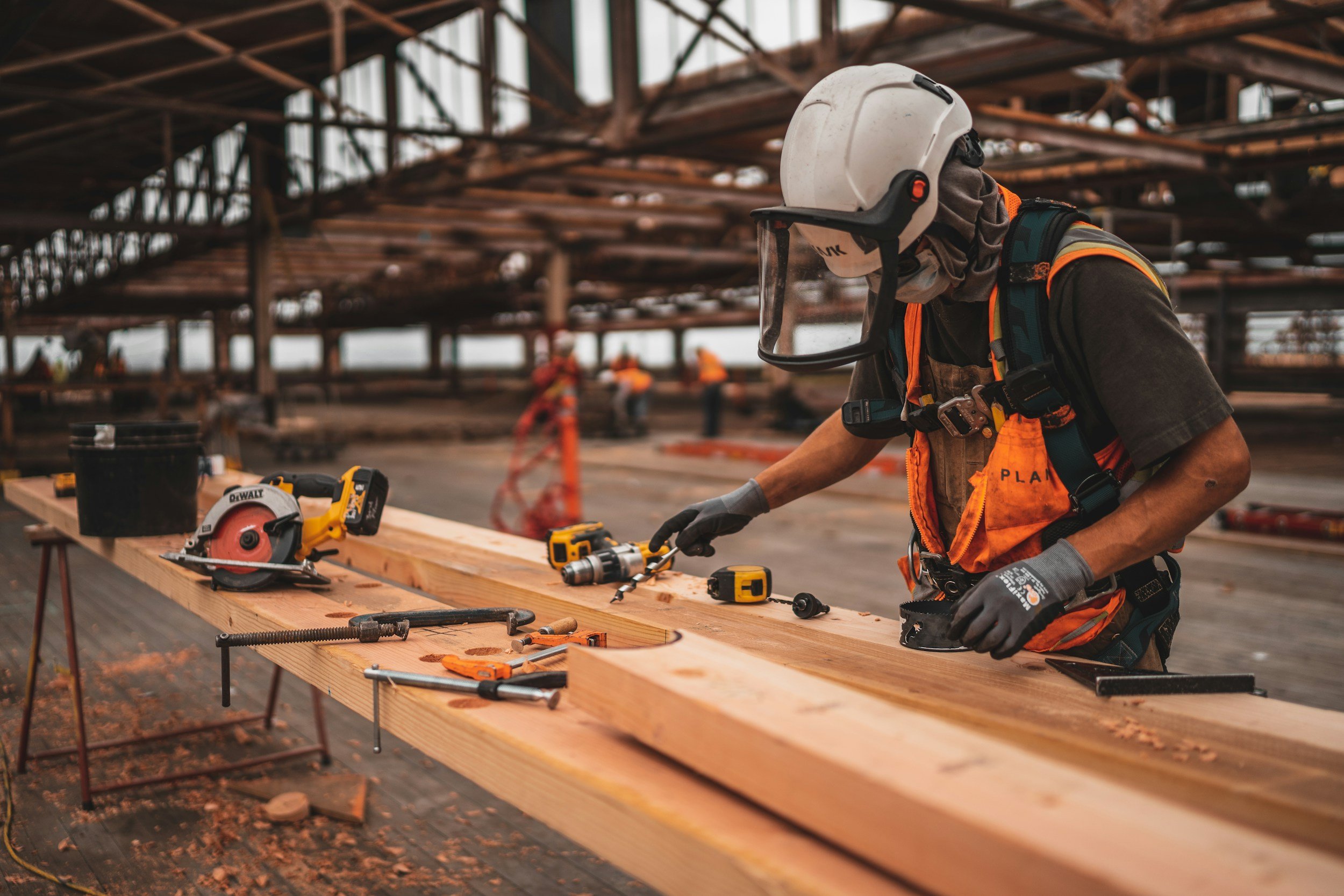
Technical expertise certainly matters. Workers need to understand design, materials, codes, safety, software, and the physical realities of building. But when we spoke with students and professionals in architecture and construction as part of our Good Work Value Alignment Study, they consistently described good work as something broader.
In our work with teachers implementing The Good Project lesson plans, we’ve seen that real-life dilemmas are among the most powerful springboards for intellectual risk-taking— the ability to engage with uncertainty (e.g. asking questions, sharing ideas, admitting confusion) despite the possibility of being wrong or judged. The Good Project’s dilemma-based secondary school ethics curriculum invites students to grapple with questions that have no easy answers (Should a doctor treat a patient whose actions have caused harm to others? Should a teenager join a protest even if it goes against their family’s views?) and to tolerate ambiguity while weighing competing values and perspectives.
Discover the past, present, and future of The Good Project. Click the button Below to watch a series of short videos
“Doing things in a new way is easy; we call this novelty. What’s challenging is to do things in a new way that eventually gets accepted by others; we call this creativity. What’s even more challenging is to do something in a new way that is ethical and advances the human condition; we call this “good work.””

What does it really mean to prepare students for the world of work?
Too often, conversations about the value of higher education focus on whether graduates get jobs and how much they earn. Our new white paper, Beyond Job Readiness: Findings from the Good Work Value Alignment Study, asks a broader question: How well does postsecondary education prepare people not only to obtain work, but to do good work?